Experiences and attitudes towards energy savings among Czechs living in owner-occupied housing
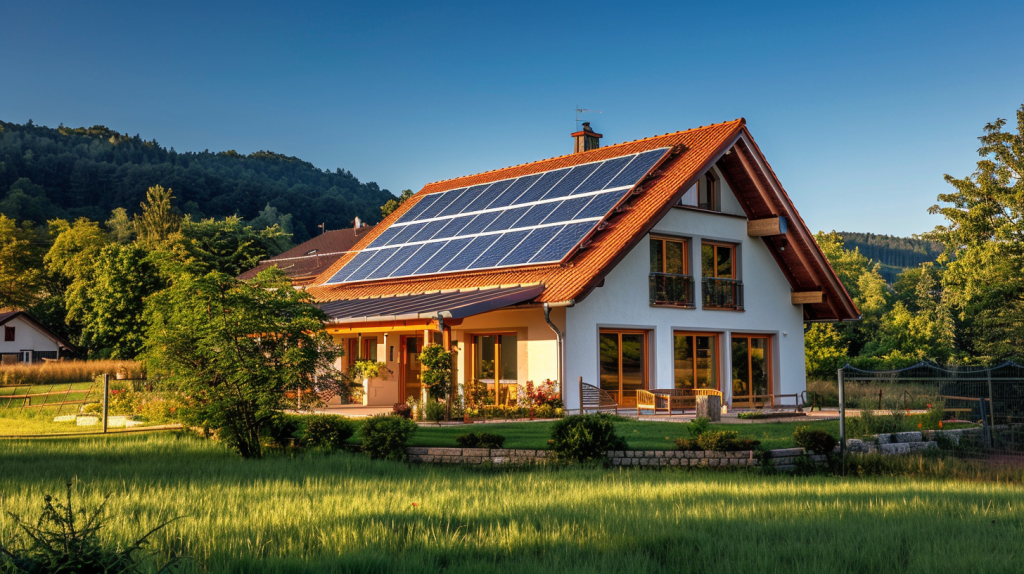
STEM Research Institute in cooperation with the Zateplujeme Česko! initiative (“Let’s insulate Czechia!”, www.zateplujemecesko.cz) and the European Climate Foundation conducted a survey among the Czech population living in owner-occupied housing (family houses or flats in apartment buildings). The results show that people in apartment buildings are more likely to live in insulated homes, but those in family homes have more often implemented energy-efficiency positive measures such as installing a heat pump or photovoltaic panels. Around a fifth of people in owner-occupied housing have an experience with subsidies aiming to improve the energy efficiency of buildings.
Czechs still worry about unemployment, but willingness to switch fields is growing

Unemployment rates are still relatively low in the Czech Republic, yet 39% of working-age people were worried about unemployment in May 2024, according to a survey by STEM Research Institute. Unemployment is much more likely to concern people of pre-retirement age and those who are financially vulnerable or poor. 59% of the Czech population would be willing to work for lower wages if unemployment were the alternative. STEM analyst Kateřina Duspivová adds: “Many people are not willing to accept lower wages because they cannot afford to do so – the financial situation of Czech households has not developed very favourably in recent years. In the long term, however, it is good news to find that 89% of Czechs are willing to work in another field if they face unemployment. We should take advantage of this in the age of the rise of artificial intelligence.”
The survey results are also available in Czech in an interactive form on the STEM website.
Czech (non)transformation 2022

STEM Institute for Empirical Research and the research and communication center Institute 2050 carried out research Czech (non)transformation 2022. The research was focused on Czechs’ attitudes toward climate change and the transition to a low-carbon economy. The research goal was to capture in detail the concerns (barriers, threats) and positive expectations (opportunities, benefits) that Czech society has about this transformation, to test various (policy) instruments based on EU policies, the Green Deal and the Fit for 55 package. Furthermore, we focused on identifying narratives that make it possible to reduce fear/uncertainty and manage expectations of Czech citizens when it comes to green transition.
